Economic Benefits of Peer-to-Peer (P2P) Platforms for Individuals and Communities

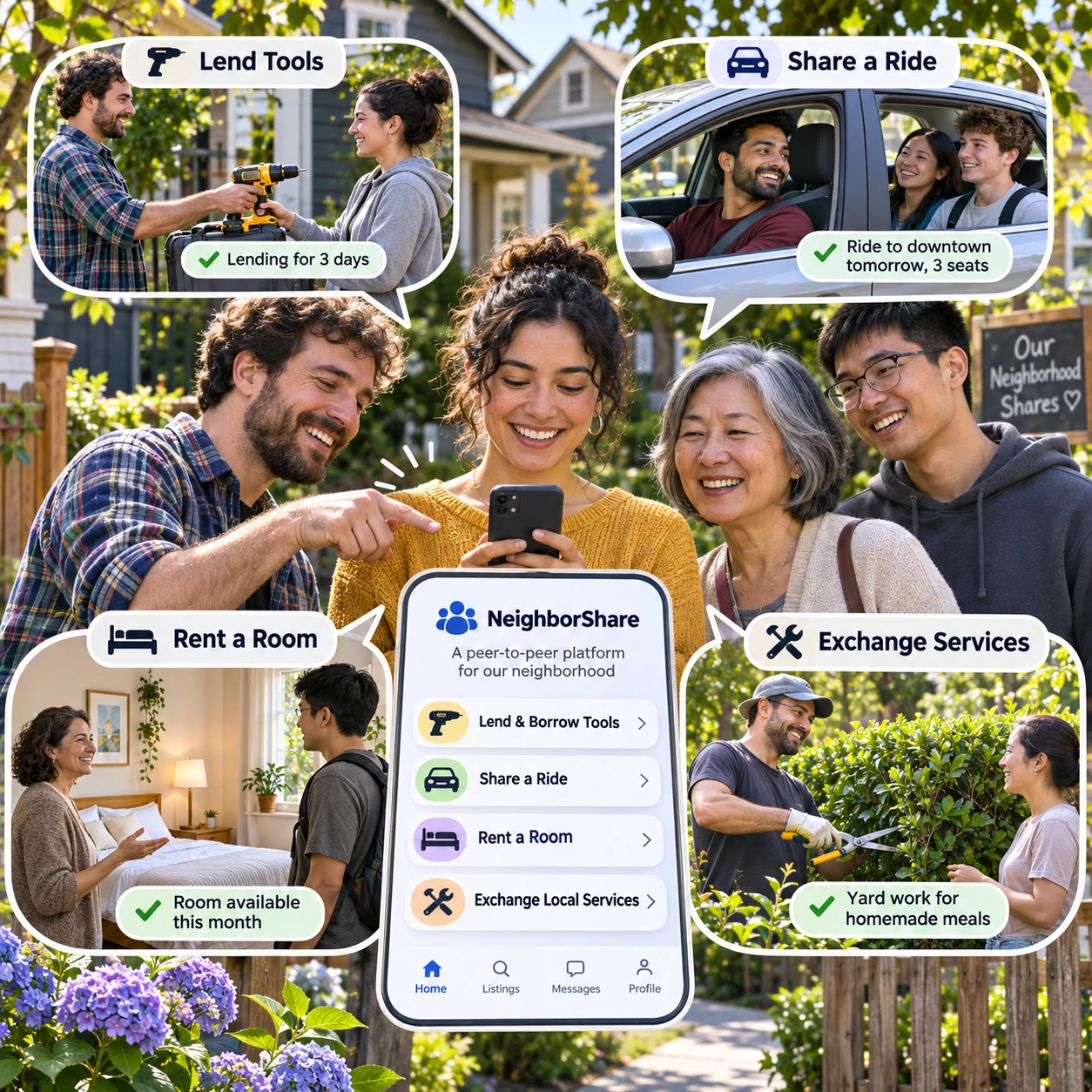
Peer-to-peer (P2P) platforms can help people earn supplemental income, spend less on occasional needs, and make better use of things that might otherwise sit idle. Their value depends on practical details: local demand, platform fees, time, upkeep, and whether participants can trust the exchange.
These platforms are part of the sharing economy, where digital marketplaces connect people who provide goods or services with people who need them. From a spare room or a car ride to a drill or a cooking lesson, collaborative consumption can make access more affordable and put underused assets to work. The benefits are possible, not automatic, and differ for providers, users, and communities.
How P2P Platforms Fit into the Sharing Economy
P2P platforms connect individuals who offer goods or services with others who want to use them. In the sharing economy, this model supports collaborative consumption by making it easier to arrange access without requiring every user to buy and own the resource.
A platform may help someone list a room, offer a ride, lend equipment, or sell a skill-based service. It typically provides search, booking, payment, and sometimes dispute support. Access over ownership is the central idea: someone can use a tool for one project or a vehicle for one trip rather than purchase an asset they rarely need.
“Sharing” does not always mean free or informal. Many P2P exchanges are paid, and the platform may charge the provider, the customer, or both. They also vary: an accommodation marketplace is different from a neighborhood tool library or a freelance service app. What unites them is that they help people coordinate transactions directly, often using trust and reputation systems such as reviews, identity checks, or booking histories.
Benefits for Individuals Who Provide Goods or Services
For providers, P2P platforms can create a route to supplemental income by connecting an existing asset or skill with people willing to pay for it. The opportunity is strongest when there is local demand and the revenue exceeds platform fees, operating costs, and the value of the provider’s time.
A homeowner might rent out a spare room on selected dates. A driver could offer rides along a regular route, while a craftsperson or tutor might use a marketplace to find customers beyond their personal network. These options can make an underused asset productive without requiring a full-time business or a large upfront investment.
Platforms can also make it easier to reach customers. Search tools, booking systems, and payment processing reduce some of the work involved in finding and serving buyers. Reputation features may help a new provider build confidence through reviews, though earning a strong rating takes consistent service and time.
Income is not guaranteed. A room may sit vacant, a tool may need repair, and service providers may spend unpaid time answering inquiries or traveling. Providers should estimate net earnings, not just the advertised price: subtract fees, supplies, cleaning, insurance, maintenance, taxes, and any applicable local requirements.
Benefits for People Who Use P2P Platforms
For users, P2P platforms may reduce the cost of meeting occasional needs and offer flexible access to goods, spaces, rides, or skills. They can be especially useful when buying an item would be expensive or when traditional rental options are limited.
Someone who needs a ladder for one afternoon may be able to borrow or rent one nearby instead of purchasing and storing it. A traveler might find a short-term stay that suits a particular location or budget, while a person without a car may book a ride for a trip that public transport does not cover. These choices can turn a large ownership cost into a smaller, occasional expense.
The savings depend on the full price and the terms. Compare service fees, deposits, delivery or pickup costs, cancellation rules, and any required insurance with the cost of buying or renting through a traditional provider. A low listing price may not be the lowest final cost.
There are trade-offs, too. Availability can change, quality may vary between providers, and resolving a problem can take time. Reviews and clear listing details help, but they cannot eliminate risk. For frequent use, or where reliability and warranties matter, buying or using an established rental business may be better value.
How P2P Activity Can Benefit Communities
P2P activity can benefit communities by keeping some spending and resources in local circulation. It can create earning opportunities for small providers, connect neighbors around shared needs, and reduce the number of seldom-used items each household must own.
When a resident pays a local person to repair a bicycle, rent a room, teach a language, or lend a power tool, the transaction may support household income and local economic activity. The effect varies by platform and place; it should not be assumed that every transaction creates new spending or stays entirely within the community.
Collaborative consumption can also improve the use of existing resources. If several households share equipment, fewer purchases may be needed for items used only occasionally. This can save money and storage space, although the benefit depends on convenient access, fair scheduling, and care of shared property.
Community ties may grow through repeated exchanges and direct contact, but a commercial platform does not guarantee stronger relationships. Fees, platform policies, and competition can affect how much value reaches local participants. P2P marketplaces can complement local shops and service businesses, but they do not replace every traditional provider or suit every need.
What Shapes the Economic Value of P2P Participation
The economic value of P2P participation depends on demand, availability, total costs, trust, and the effort required to complete an exchange. A platform is most useful when its convenience or access advantage outweighs those costs for both sides.
Use this simple net-value check before participating: estimate what you gain, subtract direct expenses, then account for time and risk. For a provider, that means expected earnings minus platform fees, maintenance, supplies, and service time. For a user, compare the all-in price with buying, borrowing, or renting elsewhere, including the cost of travel and the value of convenience.
- Platform fees: Check who pays them and whether they apply to the listed price, booking, or payment.
- Demand and availability: A provider’s potential earnings depend on how often people need the offer and whether it is available at the right time.
- Time and upkeep: Cleaning, handoffs, messages, repairs, and travel can reduce the effective return.
- Trust and reputation: Reviews and verification can lower uncertainty, but they do not guarantee quality, safety, or fair treatment.
- Rules and risk: Insurance, taxes, permits, cancellation terms, and responsibility for damage may affect the true cost.
For instance, a person considering renting out a seldom-used camera should count cleaning and wear, not just booking revenue. A customer comparing a peer rental with a store should check pickup distance, deposit, and what happens if the equipment fails. The best choice can change with frequency: occasional access may favor P2P, while regular use may make ownership more economical.
Making P2P Participation Work Well
To make P2P participation worthwhile, compare the full terms, test the likely economics, and choose exchanges that fit your schedule and risk tolerance. Start with one specific need or asset rather than assuming a platform will produce steady income or savings.
Providers can estimate realistic demand by checking comparable local listings and tracking the time and costs involved in each transaction. Set a minimum acceptable net return, write clear terms, and protect the asset with suitable documentation or insurance where relevant. If the work starts to resemble a regular business, check local tax and regulatory obligations.
Users should compare the total price and practical details before booking. Read recent reviews, confirm what is included, and clarify pickup, return, cancellation, and damage policies. For an important or time-sensitive need, keep a backup option in mind.
A useful rule is to judge each exchange on three questions: Does it meet the need? Does it cost less or provide better access than the alternatives? Are the terms and risks acceptable? If any answer is no, a traditional purchase, rental company, or direct community arrangement may be a better fit.
Frequently Asked Questions
How do P2P platforms help people earn money?
They connect providers with people who may pay to use an asset or service. Renting a spare room, offering rides, lending tools, or providing tutoring can generate supplemental income, but earnings depend on demand and must be weighed against fees, expenses, time, and applicable taxes.
Can using a P2P platform cost less than buying or renting traditionally?
Yes, particularly when a need is occasional and ownership would involve a large purchase or ongoing costs. Compare the final price, including fees, deposits, travel, and any protection costs. For frequent use or when guaranteed availability matters, traditional rental or ownership may be more economical.
How can P2P platforms support local communities?
They can help local people find customers, circulate resources such as tools and vehicles, and keep some spending among nearby households and providers. The impact depends on local participation and platform terms; it is not guaranteed for every transaction.
What costs should participants consider?
Consider platform fees, supplies, maintenance, cleaning, insurance, travel, deposits, taxes, and the time needed to coordinate an exchange. Users should also check cancellation and damage policies. Providers should calculate net income after expenses rather than relying on the listed price.